How close is the world to a war between great powers, and why? Six conflicts, placed on an eight-rung escalation ladder by a checklist anyone can inspect.
Drag the globe. Every pin is a live conflict in this month's reading.
01 · The ladder
Eight rungs, from rivalry to the end
In 1965 the strategist Herman Kahn described war as a ladder that rivals climb one rung at a time. This is a simplified version. Each conflict sits on the rung it has reached; the arrow shows which way it moved this month.
1
Rivalry
Competition, sanctions and hard words. No shots fired.
Deniable or limited attacks, proxies, sabotage, probing of airspace.
4
Limited strikes
Open but bounded exchanges of fire between states, then a pause.
5
Open war
Sustained war between states.
6
Great powers collide
Nuclear-armed great powers, or their treaty allies, fighting each other directly.
7
Nuclear use
Any nuclear detonation in war, however small.
8
General nuclear war
Strikes on cities and arsenals. The top of the ladder.
Six flashpoints
Where the world could catch fire
Each pin is a conflict where a great power, or a nuclear-armed state, is directly involved. Scroll to visit each one, or jump straight there.
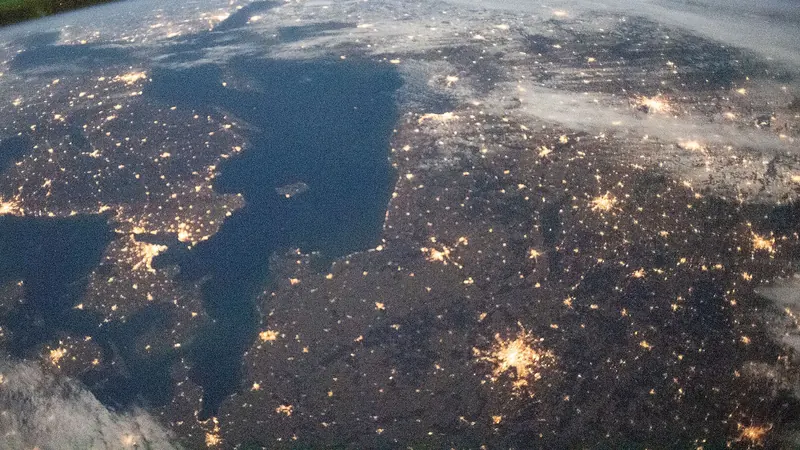
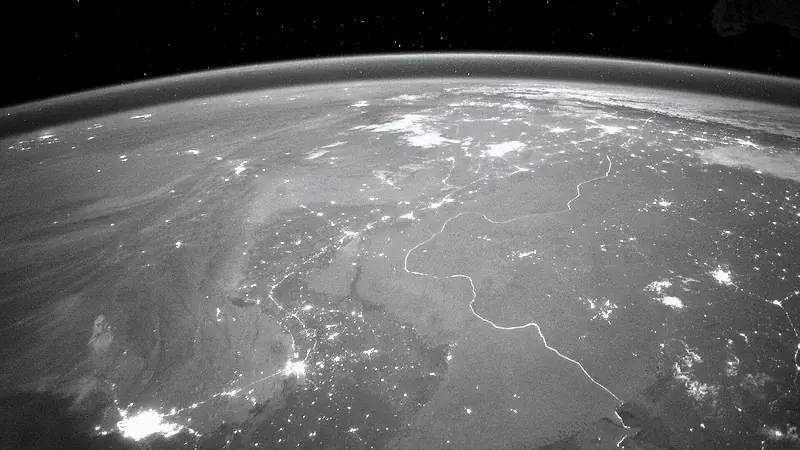
Northern Europe and the Baltic Sea at night, seen from the International Space Station. NASA
Eastern flank & Baltic Sea
Russia and NATO
Rung 3 · Gray zone↑ Climbing this month
The lowest rung of the six, and the one that matters most. Russian drones keep crossing into NATO countries. Each crossing is small; together they test whether the alliance's mutual-defense promise still holds.
Odds from Polymarket, a prediction market. They are bets, not facts, and they update live.
Coming up
10–11 NovRussia–Ukraine talks in Abu Dhabi; Europe's security guarantees are discussed with NATO officials in Brussels the same weekConfirmed
Early DecemberNATO foreign ministers usually meet in Brussels in early DecemberExpected
Sep 2025Around twenty Russian drones enter Polish airspace in one night. NATO jets shoot some down, the first time allied fighters have downed Russian drones over NATO territory.
29 May 2026A Russian drone hits an apartment building in Galați, Romania, injuring two civilians. Romania's foreign minister says the attack justifies invoking NATO's Article 4.
16 Aug 2026Romania shoots down a suspected Russian drone in its own airspace.
31 Oct 2026Drones, likely Russian, cross into Moldovan and Romanian airspace again.
2–3 Nov 2026Poland says it prevented a Russian provocation on its border with Russia.
Tap the developments to see how this reading would change.
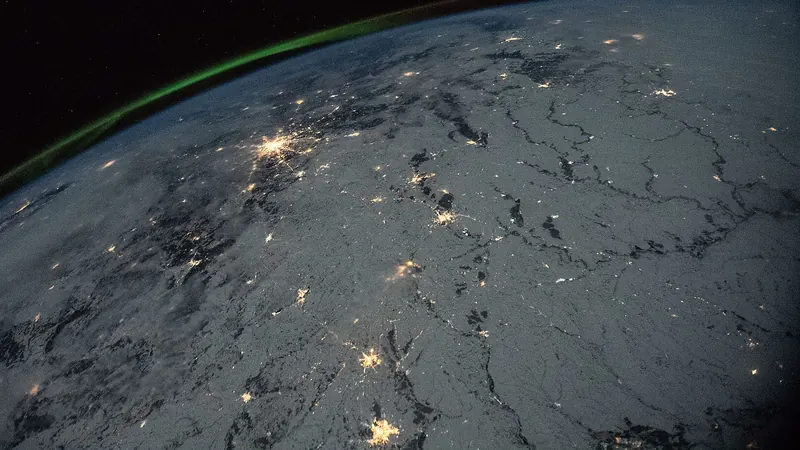
Ukraine and western Russia on a winter night, seen from the International Space Station. NASA
Eastern Europe
Russia and Ukraine
Rung 5 · Open war→ Holding this month
Europe's largest war since 1945 enters its fifth winter. Russia is striking Ukraine's power grid at record scale while losing ground at the front. A new round of talks is set for Abu Dhabi.
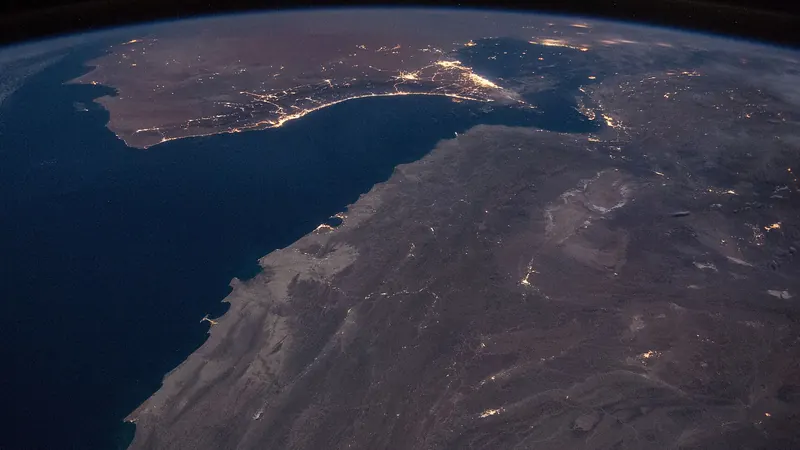
The Strait of Hormuz at night: Iran above, Oman's Musandam Peninsula below. International Space Station. NASA
Persian Gulf & Strait of Hormuz
Iran, Israel and the United States
Rung 5 · Open war↑ Climbing this month
The war that began on 28 February has moved from the air to the sea. Talks keep resuming and collapsing, while October brought the most attacks on ships in the Strait of Hormuz since the war began.
Odds from Polymarket, a prediction market. They are bets, not facts, and they update live.
Coming up
NovemberThe IAEA Board of Governors' regular November session in Vienna, its first since reporting Iran to the UN Security CouncilExpected
28 Feb 2026The United States and Israel launch strikes on Iran. Iran's supreme leader is killed.
Apr–Jun 2026A ceasefire mediated by Pakistan takes effect in April; in June the presidents of the US and Iran sign a memorandum to end the war.
8 Jul 2026The deal collapses after attacks on commercial ships in the Strait of Hormuz.
Oct 2026Ship attacks in and near Hormuz reach their highest level of the war. Qatari mediators hand Iran a new proposal.
3–4 Nov 2026The US strikes an anti-aircraft site on Qeshm Island near Hormuz. Iran calls the US reply to its conditions for reopening the strait unconvincing, as Qatar relays proposals between the two.
Tap the developments to see how this reading would change.
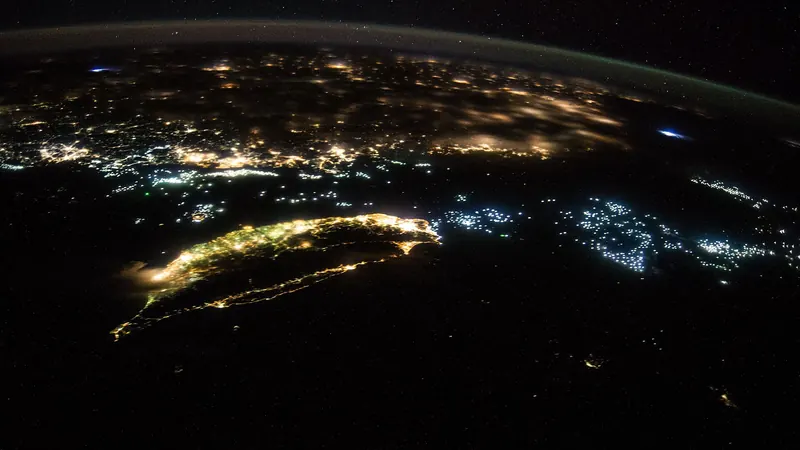
Taiwan, with China's coast and the lights of boats at sea beyond, at night from the International Space Station, 2014. NASA
Taiwan Strait
China and Taiwan
Rung 2 · Crisis→ Holding this month
No shots, but steady pressure. Beijing pairs diplomacy with drills, coast guard patrols and rehearsals of a blockade. US commanders say Beijing wants its military able to take Taiwan by 2027.
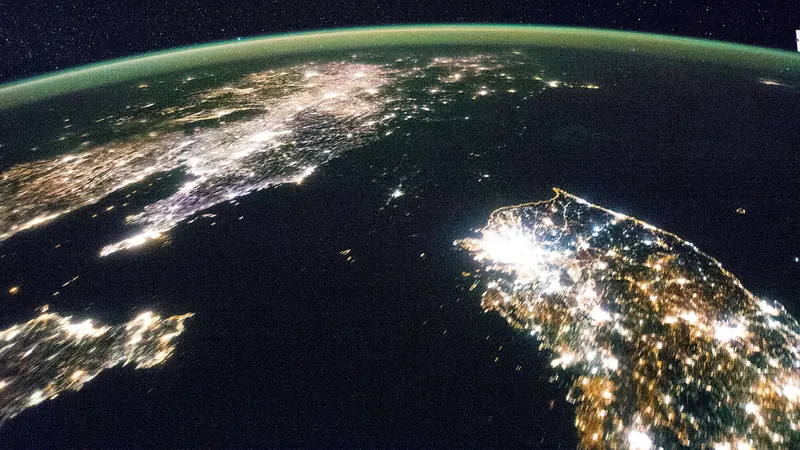
The Korean Peninsula at night: a dark North between China and a lit-up South. International Space Station, 2014. NASA
Demilitarized Zone
The Korean Peninsula
Rung 2 · Crisis↑ Climbing this month
Tension along the border is at its highest in years. A mine blast in the DMZ, propaganda loudspeakers back on, and North Korea's seventeenth ballistic missile event of the year.
Odds from Polymarket, a prediction market. They are bets, not facts, and they update live.
Coming up
Late DecemberNorth Korea's year-end party plenary, where Kim usually sets the line for the coming yearExpected
3 Oct 2026North Korea fires what it calls an intermediate-range strategic missile, flying more than 700 km.
5 Oct 2026A joint inquiry with the UN Command finds North Korean mines placed south of the demarcation line, after a blast injured South Korean soldiers.
23 Oct 2026Seoul proposes military talks and the restoration of communication lines.
29 Oct 2026About ten short-range ballistic missiles are fired from Wonsan, the 17th launch event of 2026 by Yonhap's count.
Tap the developments to see how this reading would change.
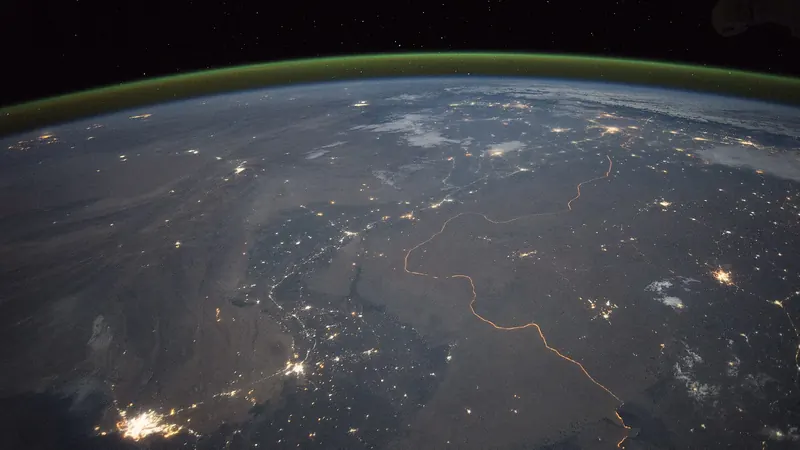
The India–Pakistan border, its floodlit fence a thin orange line, at night from the International Space Station, 2015. NASA
Kashmir & the border
India and Pakistan
Rung 2 · Crisis→ Holding this month
Two nuclear powers that fought for four days in May 2025 and never fully stood down. Embassies are run by deputies, a water treaty is suspended, and border shootings keep both capitals on edge.
If the Russia–NATO flashpoint climbs, this is where geography matters most. The eight Nordic and Baltic countries have spent the past four years building their own security ties around it.
Suwałki GapAbout 65 km of Polish–Lithuanian border between Belarus and Russia's Kaliningrad exclave. The only land link from the Baltic states to the rest of NATO.
KaliningradA heavily armed Russian exclave between Poland and Lithuania.
NarvaEstonia's third-largest city, on the Russian border.
Gulf of FinlandA narrow sea. Subsea power and data cables between Finland and Estonia were damaged in 2023 and 2024.
TallinnIn September 2025 three Russian fighter jets entered Estonian airspace for about 12 minutes. Estonia called for NATO consultations under Article 4.
02 · The checklist
Where a conflict stands, and how hard it is being pushed
The rung says what is happening now. The checklist measures the pressure to climb: eight warning signs drawn from the history of how wars widen, each scored no, partly or yes. A conflict low on the ladder can still carry the most pressure.
Rung on the ladder, against pressure from the checklist. The upper right is where wars widen.
Conflict
Nuclear arms
Great powers
Unlimited aims
Narrow sea
Treaty trigger
No off-ramp
Shooting now
Talks broken
Pressure
Russia–NATO
13Severe
Iran–Israel–US
13Severe
Russia–Ukraine
10High
Korea
10High
China–Taiwan
9Elevated
India–Pakistan
8Elevated
No Partly Yes · Click a sign to read what it asks.
An alliance tripwireCould a mutual-defense commitment pull more countries in? Scored yes this month: Russia–NATO, Korea.
Score it yourself
Pick a conflict and set each sign as you see it. Your score is compared with this reading.
Your score13/16 · Severe
This reading13/16 · Severe
Matches the reading on every sign.
Weigh it yourself
Your own weighting
The pressure score counts all eight factors equally. Decide how much each one matters to you and watch the order change.
Nuclear arms
Great powers
Unlimited aims
Narrow sea
Treaty trigger
No off-ramp
Shooting now
Talks broken
Russia–NATO81%
Russia–Ukraine63%
Iran–Israel–US81%
China–Taiwan56%
Korea63%
India–Pakistan50%
Same order as the official reading.
How solid is the order?
03 · How they connect
Six flashpoints, three great powers, one web
No flashpoint stands alone. Each line is a documented tie: a treaty, a war, a supply line. Select any circle to see what is connected to it, and how many great powers would feel a climb.
Party to the fightingTreaty allyBacker or supplierPartnerSpillover between flashpoints
04 · Readers' verdict
Rank them yourself
Tap the six flashpoints from most to least dangerous. Then see how your order compares with this month's reading and with everyone else's.
Most dangerous first
One vote per reader for each reading; voting again replaces your earlier order. Only a one-way hash and the country are stored, to stop repeat votes.
05 · Four years on the ladder
How we got here
Each line follows one conflict since January 2022, placed by the same rules as this month's reading. Hover or tap the chart to see where everything stood on any date.
Earlier placements are retrospective: made in November 2026 with the same rules.
06 · Field guide
Nine ideas for reading any war
The checklist rests on these concepts. Most are drawn from historian Sarah C. M. Paine, retired professor at the US Naval War College, as she laid them out in a 2026 interview on The Diary Of A CEO.
Maritime vs. continental
Maritime powers grow rich through trade under shared rules. Continental powers seek security by taking land. A war over the world order is a war between these two ideas.
Seen inPaine places Russia and China in the continental camp, and argues the US risks drifting there when it claims other countries' territory.
Limited vs. unlimited aims
A limited aim asks for something: a border, a concession. An unlimited aim seeks to end the other side's state or government. Unlimited aims make wars far harder to stop.
Seen inRussia's aims in Ukraine; regime-change goals in the war with Iran.
Death ground
An idea from Sun Tzu. A side that believes it will be destroyed whatever it does has nothing to lose by fighting on, so it becomes far more dangerous.
Seen inUkraine in 2022; Iran's leadership after February 2026.
Pivotal error
A decision after which every remaining option is worse than the ones you had before, and the old options never come back.
Seen inRussia's full-scale invasion of Ukraine, which strengthened the Ukrainian nation it set out to erase.
Narrow seas close in war
Straits are easy to shut with mines, missiles and shore guns. Whoever depends on them is exposed the moment fighting starts.
Seen inThe Strait of Hormuz in 2026; the Black Sea since 2022; the Baltic's narrow approaches.
No off-ramp
A dictator who leaves power may lose his freedom, wealth or life, so he keeps escalating. And when one dies, there is no rule for who comes next.
Seen inPaine argues democracies should keep a plan on the shelf for the day each dictator's rule ends.
Negative objectives
Much of good statecraft is preventing things: the war that never started, the bridge that never fell. Success is invisible, so it is rarely rewarded.
Seen inDeterrence in Europe after 1949. See the near misses below.
The enemy gets a vote
Wishing a war over does not end it. The other side decides too, and a power with unlimited aims will not stop because you stop.
Seen inThe argument that giving up Ukraine would end the danger to the rest of Europe.
Situation or problem
Some problems can be solved. Others can only be managed at a bearable cost over years, like the Soviet threat in the Cold War. Trying to solve a situation leads to overreach.
Seen inContaining Iran's nuclear program at a manageable cost versus trying to remove the threat by force.
07 · The days the world didn't end
Ten times the ladder was not climbed
Prevention leaves no monument. These are the moments when someone checked, waited or said no.
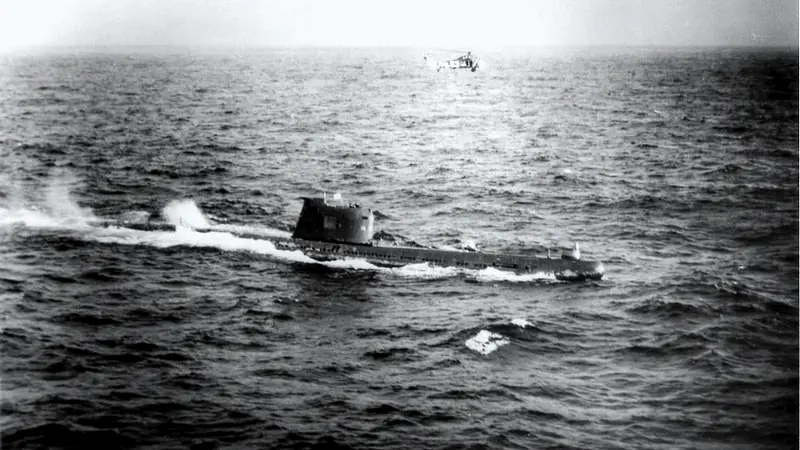
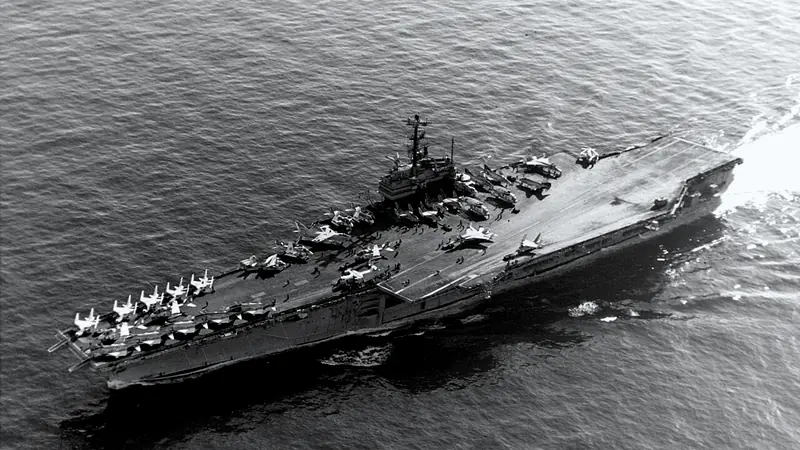
Soviet submarine B-59, forced to the surface near Cuba, October 1962. US Navy / National Archives
1962
27 Oct 1962 · Caribbean Sea
The officer who said no
During the Cuban Missile Crisis, US ships drop depth charges near the Soviet submarine B-59, which carries a nuclear torpedo. Launching it needs three officers to agree. Vasili Arkhipov refuses.
Why it stoppedOne dissenting vote.
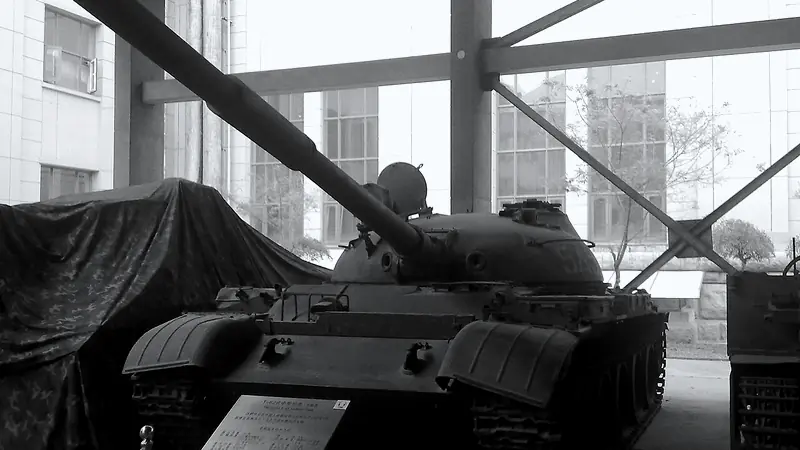
A Soviet T-62 tank recovered from the Ussuri after the 1969 clashes, now in a Beijing museum. Wikimedia Commons
1969
Mar–Sep 1969 · Ussuri River
The forgotten nuclear crisis
Soviet and Chinese troops clash on Zhenbao (Damansky) Island. Over the following months, Moscow quietly sounds out other governments about a strike on China's nuclear sites.
Why it stoppedTalks between the two premiers in September cooled the border.
USS Independence in the eastern Mediterranean, December 1973. US Navy
1973
24 Oct 1973 · Washington
DEFCON 3
As the Yom Kippur War ends, Moscow signals it may send troops to Egypt. US forces go to DEFCON 3 worldwide.
Why it stoppedPressure on Israel to stop fighting, and a UN force instead of Soviet troops.
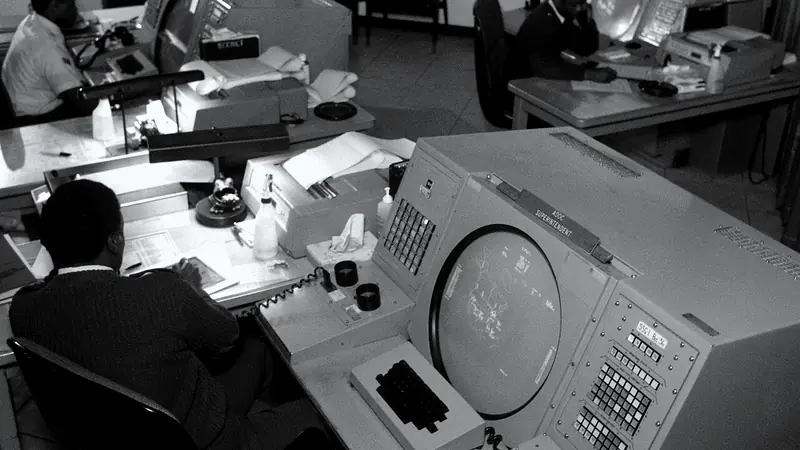
NORAD's Air Defense Operations Center in Cheyenne Mountain, 1984. US Air Force
1979
9 Nov 1979 · Colorado
The training tape
A test scenario loaded into NORAD's live system shows a full Soviet attack. Interceptors are scrambled.
Why it stoppedSatellites and radars showed nothing, and officers trusted them.
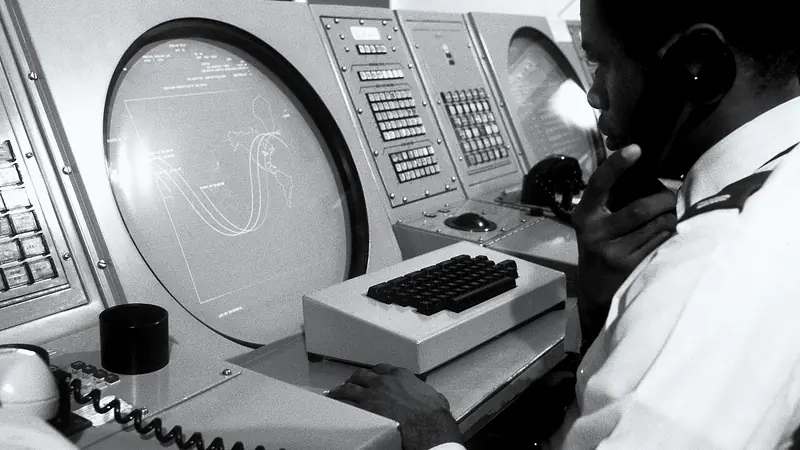
NORAD's Space Defense Operations Center, 1983. US Air Force
1980
3 Jun 1980 · Colorado
A faulty chip
A failing computer chip makes US warning screens show incoming Soviet missiles, in changing numbers.
Why it stoppedThe numbers made no sense, and crews checked before acting.
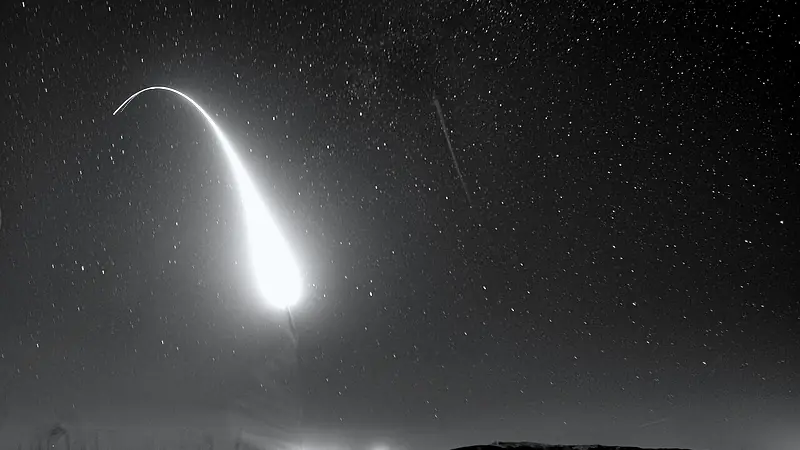
A Minuteman III test launch: the kind of launch the Soviet early-warning satellites reported. US Air Force
1983
26 Sep 1983 · Near Moscow
Stanislav Petrov
Soviet satellites report five US missiles launched. The duty officer judges it a false alarm and does not pass it up the chain as an attack.
Why it stoppedA real first strike would not be five missiles.
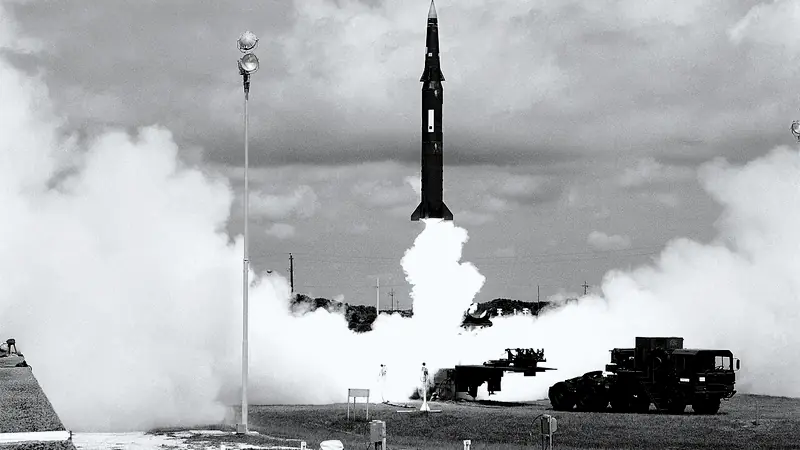
A Pershing II test launch, 1982. The missile's deployment in Europe set the stage for Able Archer. US Army
1983
Nov 1983 · Western Europe
Able Archer 83
A realistic NATO exercise in nuclear release procedures alarms Soviet leaders, already convinced the West might strike first. Some Soviet forces are readied.
Why it stoppedNATO ended the exercise on schedule without escalating its alert.
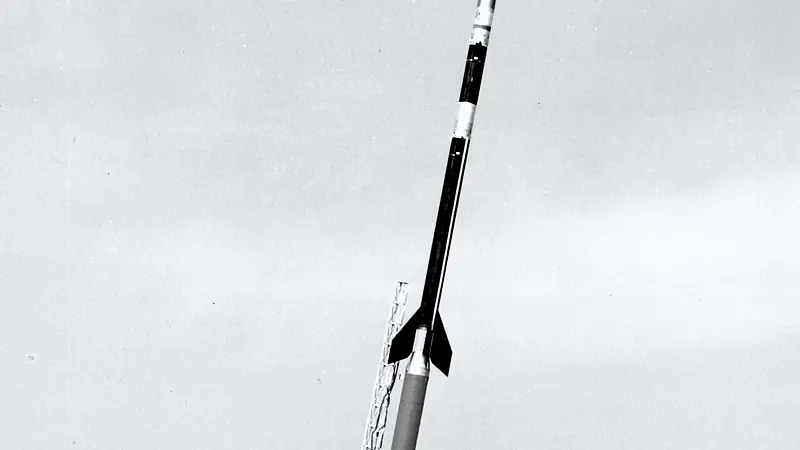
A Black Brant XII, the type of research rocket launched from Norway in 1995. NASA
1995
25 Jan 1995 · Norway
The weather rocket
A Norwegian research rocket looks like a US submarine-launched missile on Russian radar. Boris Yeltsin's nuclear briefcase is activated.
Why it stoppedThe rocket flew away from Russia, and the alert was stood down within minutes.
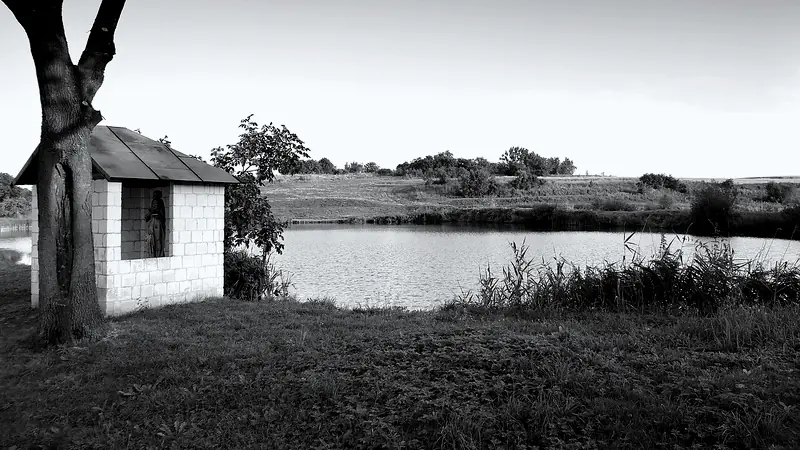
Przewodów, Poland. Photo: Zbigniew Czernik, CC BY 3.0
2022
15 Nov 2022 · Przewodów, Poland
A missile in a NATO village
A missile kills two farm workers in Poland near the Ukrainian border. For hours, the world asks if Article 5 applies.
Why it stoppedInvestigators quickly traced it to Ukrainian air defense, and leaders waited for the facts.
The India–Pakistan border at night, seen from the International Space Station, 2015. NASA
2025
10 May 2025 · India & Pakistan
Four days, two arsenals
Two nuclear-armed neighbors trade missile, drone and artillery strikes for four days.
Why it stoppedA ceasefire on the fourth day, before either side reached for more.
08 · Method
A reading, not a prediction
How each conflict is placed
Once a month I read the record for each flashpoint, mainly the Institute for the Study of War, the Council on Foreign Relations' conflict tracker, wire services and regional press. I place each conflict on the rung it has actually reached, then score the eight warning signs. Every score is a judgment, and every flashpoint lists its sources.
The pressure score is the sum of the eight signs, from 0 to 16. Up to 5 is low, 6 to 9 elevated, 10 to 12 high, and 13 or more severe. It is not a probability, and no one can honestly turn it into one. Prediction-market odds from Polymarket appear beside each file for context; they never change a score.
What it leaves out
Civil wars and humanitarian catastrophes, from Sudan to Myanmar, kill more people than several conflicts here. They are left out only because this project asks a narrower question: where could a war between great powers begin?
The Ladder takes no side. It describes what governments and armies have done, as reported by named sources. If you think a score is wrong, write to [email protected] and the next reading will consider it.
Credits
Escalation ladder adapted from Herman Kahn, On Escalation (1965). Field guide concepts largely from Sarah C. M. Paine. The near misses are documented history. Night Earth imagery: NASA Earth Observatory. Built by Valev Laube in New York and Tallinn.
This reading: 4 November 2026. Next reading: early December 2026.
Open data
This reading is free to use with credit: JSON · CSV